The Broken Line: How We Lost the Knowledge of Homemaking—and How to Get It Back

My mother was not a stay-at-home mom. Neither was her mother. For thousands of years, homemaking and childrearing was passed down knowledge shared from mother to daughter. But that line was broken in my family, and when I chose to be a stay-at-home mom I had to start from scratch.
Women used to know what they were for; they bore children, raised them, worked within the family unit to help everyone thrive, and made their houses into homes. And so as their daughters grew up, women shared what they knew naturally without a second thought. As their daughters helped around the house, their mothers, who themselves had been immersed in the domestic arts, instinctually and intuitively shared their tricks and methods for running a household.
Then feminism entered the picture.
Women were told that homemaking and mothering were unpaid labor of no worth and that true success existed outside of the home. Women were told that home was a “comfortable concentration camp,” according to The Feminine Mystique by Betty Friedan, and that they were victims of an oppressor class known as the patriarchy. Women were told that self-worth was not found in the love that comes from being a part of something greater than yourself, but instead comes from personal fulfillment and career advancement.
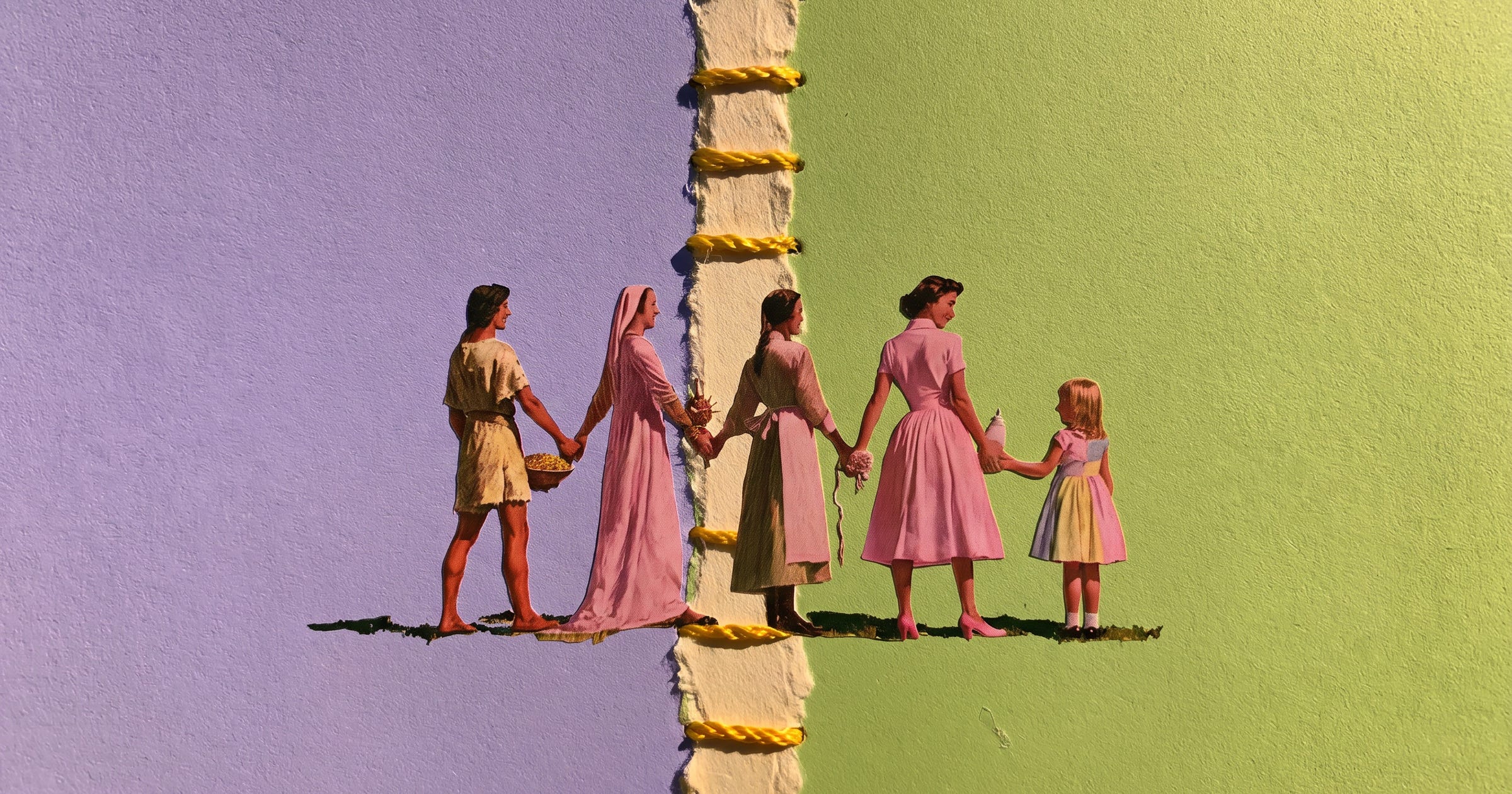
And so, women listened.
They left their homemaking roles and entered the workplace in droves.
Women did, in fact, struggle in the 1950s with feeling less useful as homemaking became more automated, husbands left home to go to work, and children were sent off to school for the majority of the day. They were lonely and divided, living in the suburbs in single-family homes rather than surrounded by all the village women as they worked alongside one another. The women of the past who picked berries all spring to preserve for the winter and washed clothing in a tub to hang on the line had to see their work at home as absolutely essential. But the modern women who frequented a grocery store with jam on the shelves and had a washing machine to clean the clothes started to wonder if homemaking was really necessary.
But the solution was not, then, to enter the workplace and ignore the reality of what was needed at home. Instead of having the wisdom to realize that the reduced amount of time spent on chores could then be used to beautify the home, play with the children, learn to cook hearty, nutritious meals, or spend time with other mothers as the children ran around, women questioned what their worth at home was at all.
And all the knowledge that had been transmitted, woman to woman, on how to be an active and engaged homemaker and mother, was lost. And the self-fulfillment trap meant that raising a family came at the cost of women’s personal potential, so family formation was put on hold.
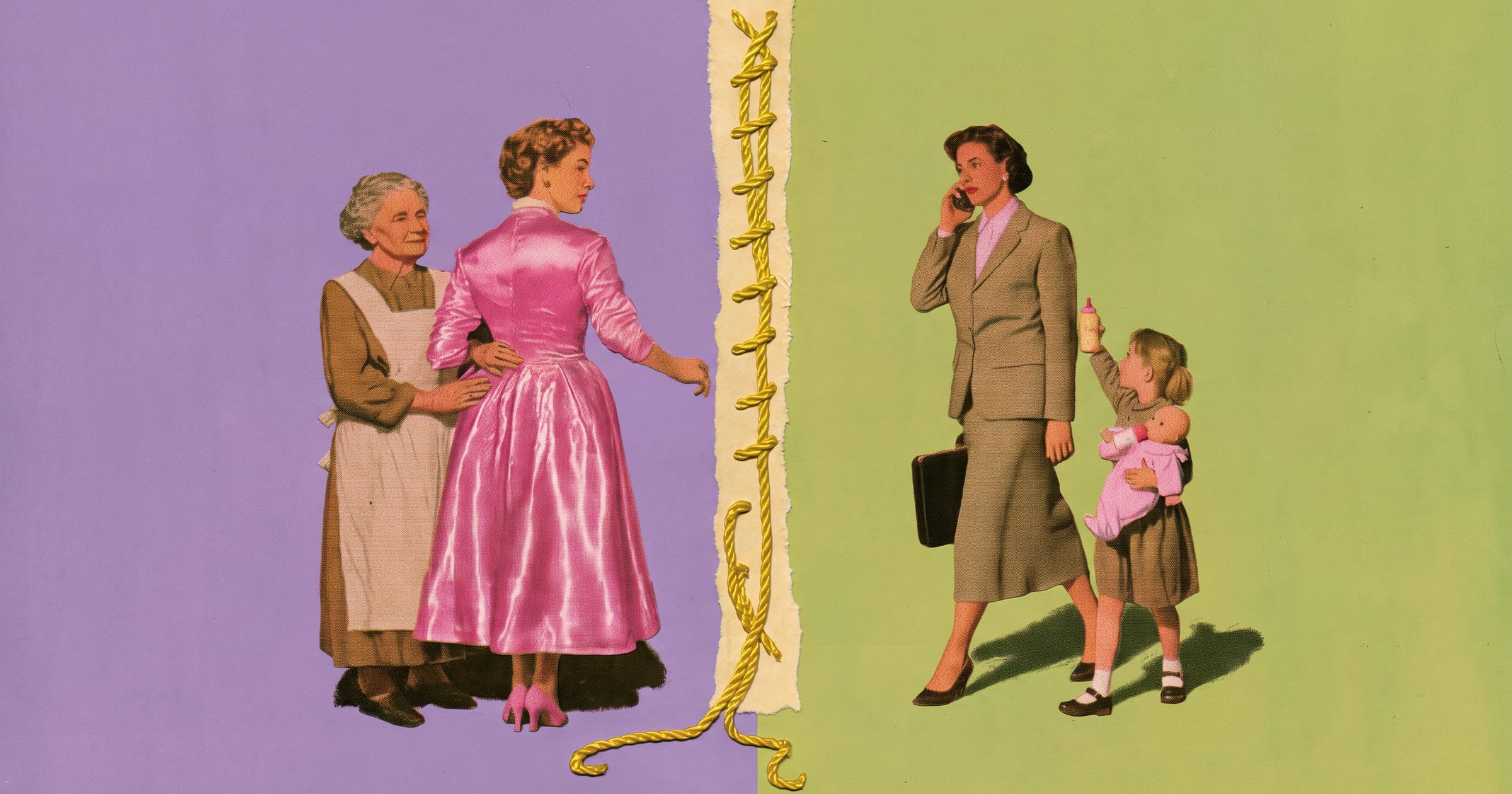
I call myself the first-generation stay-at-home-mom (SAHM) because I am the first in multiple generations of women to be at home with my children, run a household, and homeschool full-time. And I am not alone. There are many women in my shoes who are learning how to function as SAHMs in a world that doesn’t value nor teach how to do so.
But the lack of knowledge surrounding how to be a SAHM scares women away from even trying to pursue it. The phrase, “I could never spend all day with my kids,” has been said in my direction many, many times in response to me choosing to homeschool. And the number of women who ask me how I manage my day without losing my mind is just as high.
While simultaneously denigrating the real work of homemaking and childrearing and cheering SAHMs for doing “the hardest work in the world,” we have created a narrative that makes being a SAHM sound less attractive than cleaning toilets. So what do we get instead? Women who try to balance work (which they have been told is what truly defines them), struggle to homemake, and barely have the energy to raise their children at the end of the day. All of this prevents women from having big families and truly finding self-esteem in motherhood.
Running a home, raising children, and building family traditions are all skills that can be taught. They are not always intuitive. They are not simply learned on the fly. They are skills that can take a life of chaos and turn it into a well-oiled machine.
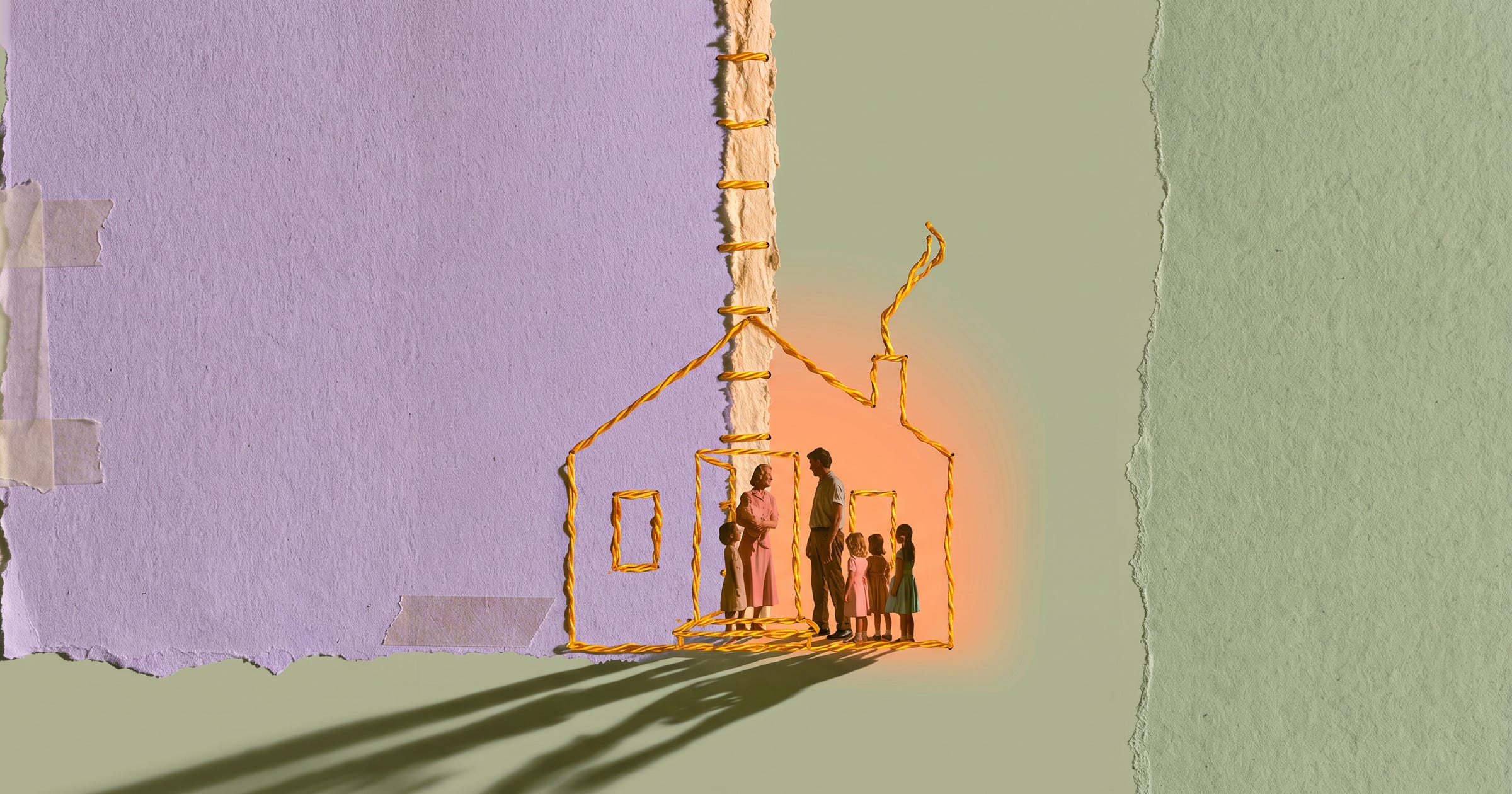
To rebuild the family, to make this country stronger and to keep families intact, we need to give women the tools to actually be good at their job. How demoralizing to be a SAHM and feel like a constant failure because of the lack of support and the lack of knowledge.
Being a SAHM doesn’t give women the self-esteem boost and the respect that they crave because it doesn’t come with any prizes, awards, recognition, promotions, or paychecks. But if we can give women what they need to learn how to be really good at homemaking, stop downplaying the importance of these domestic roles, and stop treating outside work as more valuable than the most important work, then women can have more children, they can raise those children effectively, and we can rebuild the chain of transmission from mother to daughter.
Abby Roth is the creator of the First-Generation Stay-at-Home-Mom and Classically Abby, a YouTube channel with over 100K subscribers. After becoming a mother, Abby realized the importance of devoting her life to raising and teaching her children and became passionate about sharing her own journey as a SAHM so others could learn alongside her.

 | A guest post by
|
Discussion about this post