Mama Shot the Deer!
Raising Kids in the Circle of Life

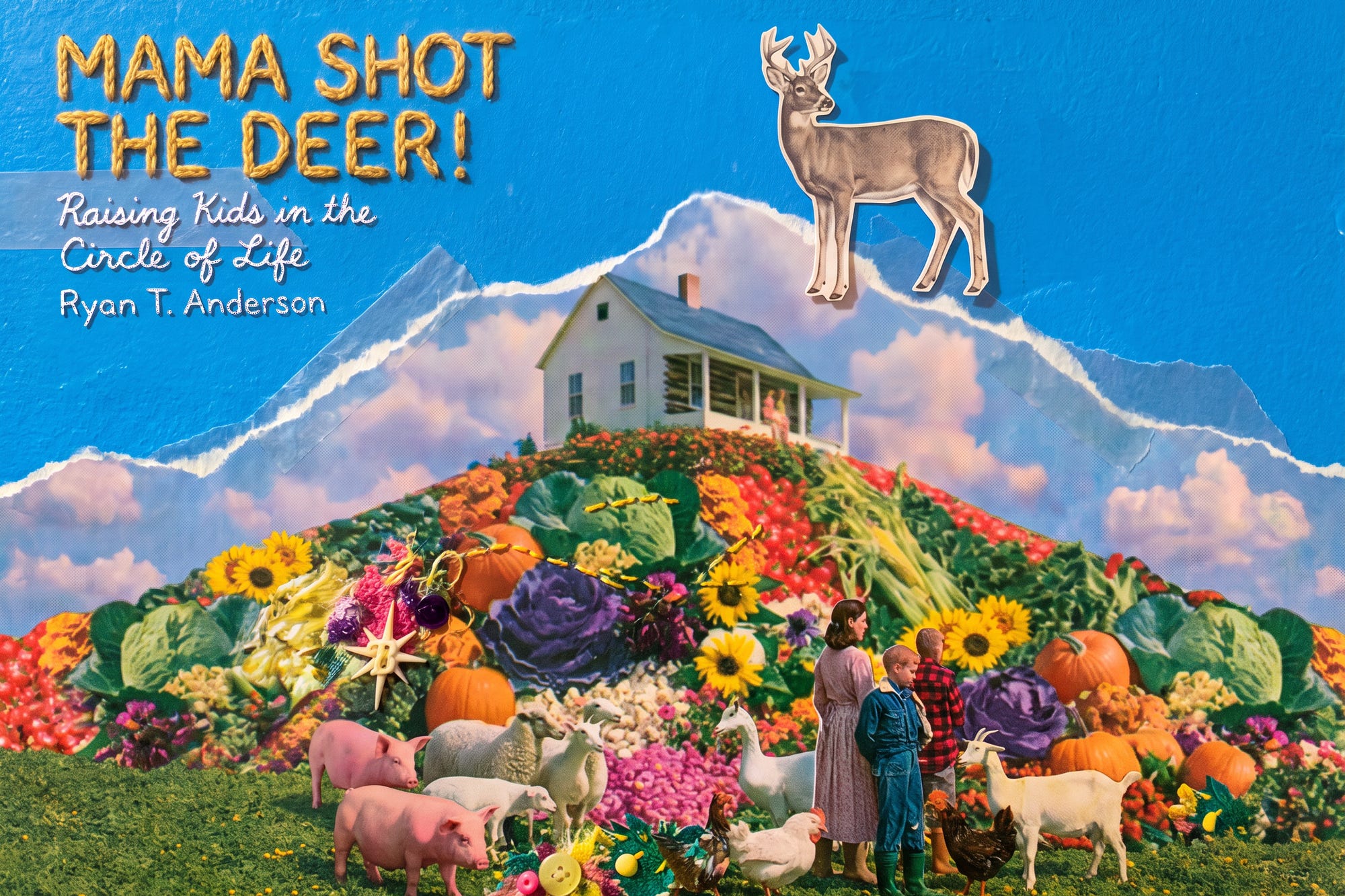
Editor’s Note: Ryan adapted this piece from something he wrote for The Lamp, a Catholic literary journal. His point couldn’t be more timely.
When my wife and I were completing marriage prep, there was only one area in which we had a major disagreement: she loved animals and I did not. The priest preparing us for marriage asked how we would reconcile our difference in opinion.
Nine years later, we’re raising our own children with a cat, two goats, three dogs, four geese, a dozen pigs, and three dozen sheep. Oh, and my wife got me a dairy cow for my birthday two years ago, and now we have three cows, too.
We bought a farm, and it’s one of the best decisions we’ve ever made. To start, it has taught our children—five and counting—about the miracle of life. They’ve witnessed goats in labor, and it looks exactly as you might expect. They were in the pasture with my wife and me as one mama goat gave birth to three kids. They know the entity growing in a womb is a baby: a baby goat when in a goat womb, a baby human when in a human womb. They both kissed their mother’s belly once it started showing that their baby brother was inside. They also know that not all newborns make it. One of our lambs was born with the sheep equivalent of cleft palate, making him unable to nurse. Shortly before dinnertime, he died on the dining room floor. The experience conveyed something of the goodness and fragility of life.
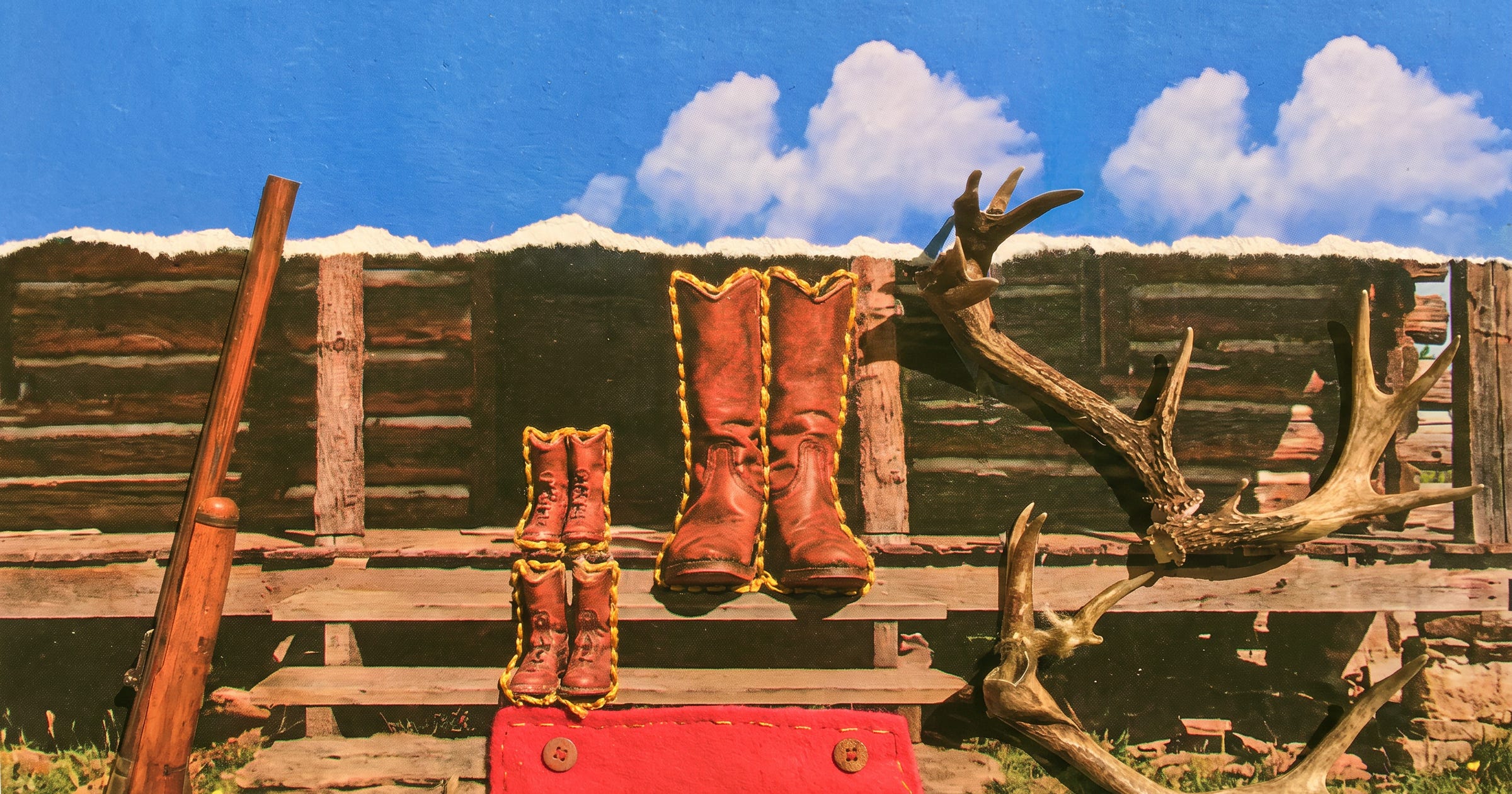
They also have seen both birth and death within a natural order. For example, mama and dada pig are named Bella and Gordo, but their children are named Scrapple and Ginger Bacon. Our kids look forward to one day eating the scrapple and bacon produced by their namesakes. This isn’t weird to them. They know that food doesn’t come from the store, it comes from the field. When we slaughtered our lambs the first year, our son and daughter gave them hugs and kisses goodbye, thanked them for being their friends, and then, in a matter-of-fact way, our son said, “I can’t wait to eat you.” They take real pride in her handiwork: “Mama shot the deer!”
Everything on the farm contributes to its order in some way. The pigs are for meat. The sheep are for meat, wool, and milk. The geese are for eggs and eat insects in the gardens. The goats and cows are for milk, and to keep them lactating we breed them. (We sell off the baby goats and eventually eat the baby cows.) The cats eat the mice. The guineas eat ticks. The dogs protect the livestock from coyotes. Meanwhile, everything produces poop, which nourishes the soil. Moms and dads differ, sex reproduces, death is natural. And the other animals naturally differ from people.
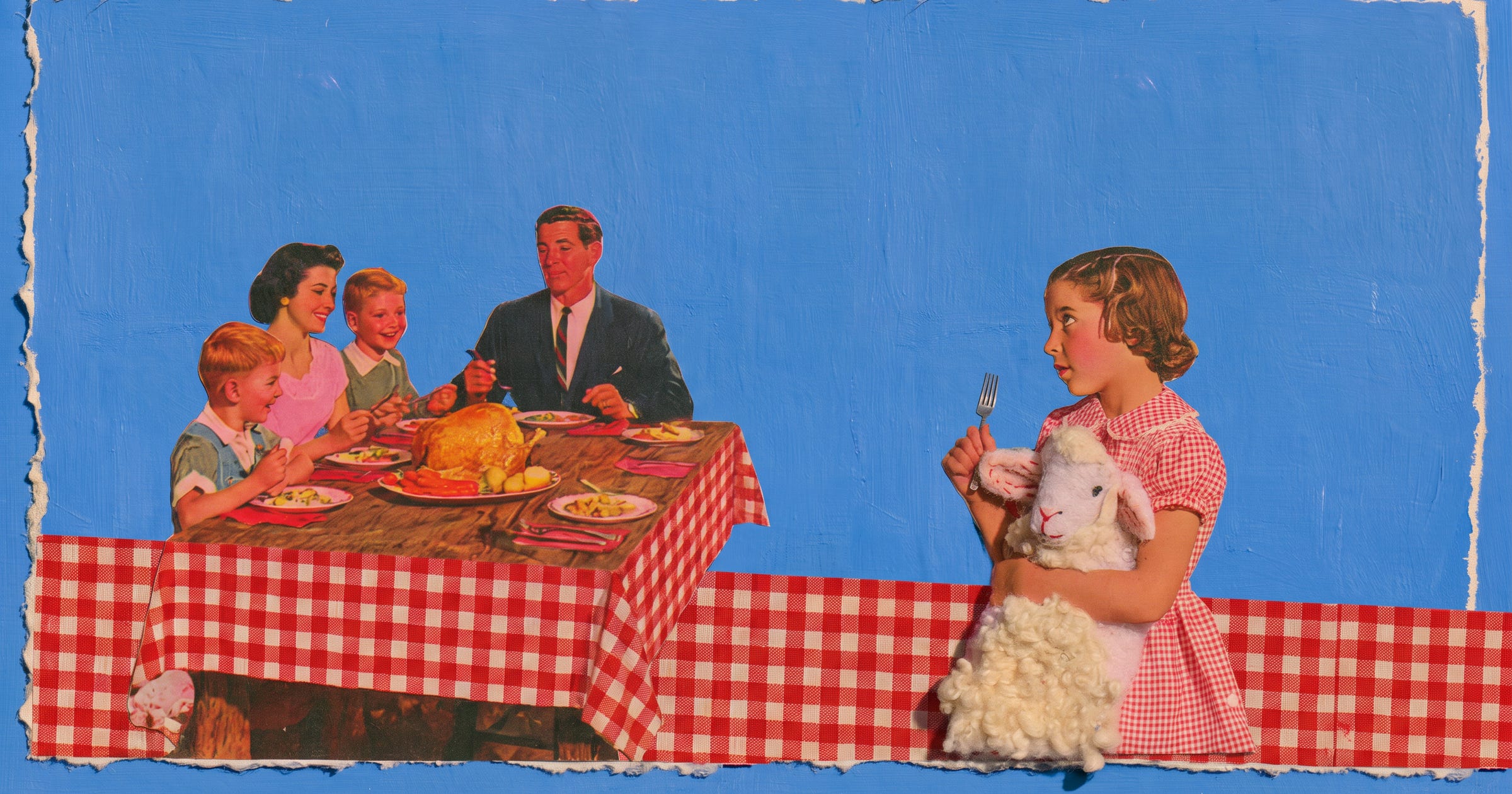
The cultivation of this way of life takes time. It is the work of generations. And human effort makes a difference. When our four-year-old son went on a breakfast strike, spurning the eggs we’d prepare every morning, my wife started taking him to the coop. He’d go see the eggs laid overnight, pick out the color egg he wanted to eat, go inside, wash it, and then crack it on the counter, and together they’d put it right into the pan—and he ate with gusto. If creation is beautiful, co-creation appropriates and deepens the beauty. Food is meant not just to sustain the body but also to nourish the soul—through the preparation and sharing of a meal with friends and family, and the tasting and seeing of its beauty. The crops have a natural beauty; and so do the harvest, meal, and fellowship.
That fellowship has a different flavor in a log house in rural Virginia than it did at our alley house in Washington, D.C. But as my wife once put it to me, growing and harvesting all of this food is “a shit ton of work.”
But why do any of this? When we first moved out here, we didn’t have this all in mind—or I didn’t. But we do think it’s a good way to respond to the unique challenges of raising children in twenty-first-century America.
We want our kids to have not just an intellectual understanding of the goodness, givenness, and meaning of creation—the natural teleology of created order—but a feel for it in their bones. Not just head knowledge, but gut instincts and emotions and passions and natural intuitive reactions that align with reality. We think the farm can help with this. We don’t plant our crops in fall, and we don’t harvest in winter. There’s a season for sowing seed, a season for weeding and watering, a season for harvesting and canning. Internalizing these natural rhythms, and the meaning of the rhythms, we hope will translate to dealing with other cultural challenges later on. Cultures cultivate, and that’s true of horticulture and agriculture just as much as it is of human culture. Good cultures cultivate natural capacities to their proper ends.
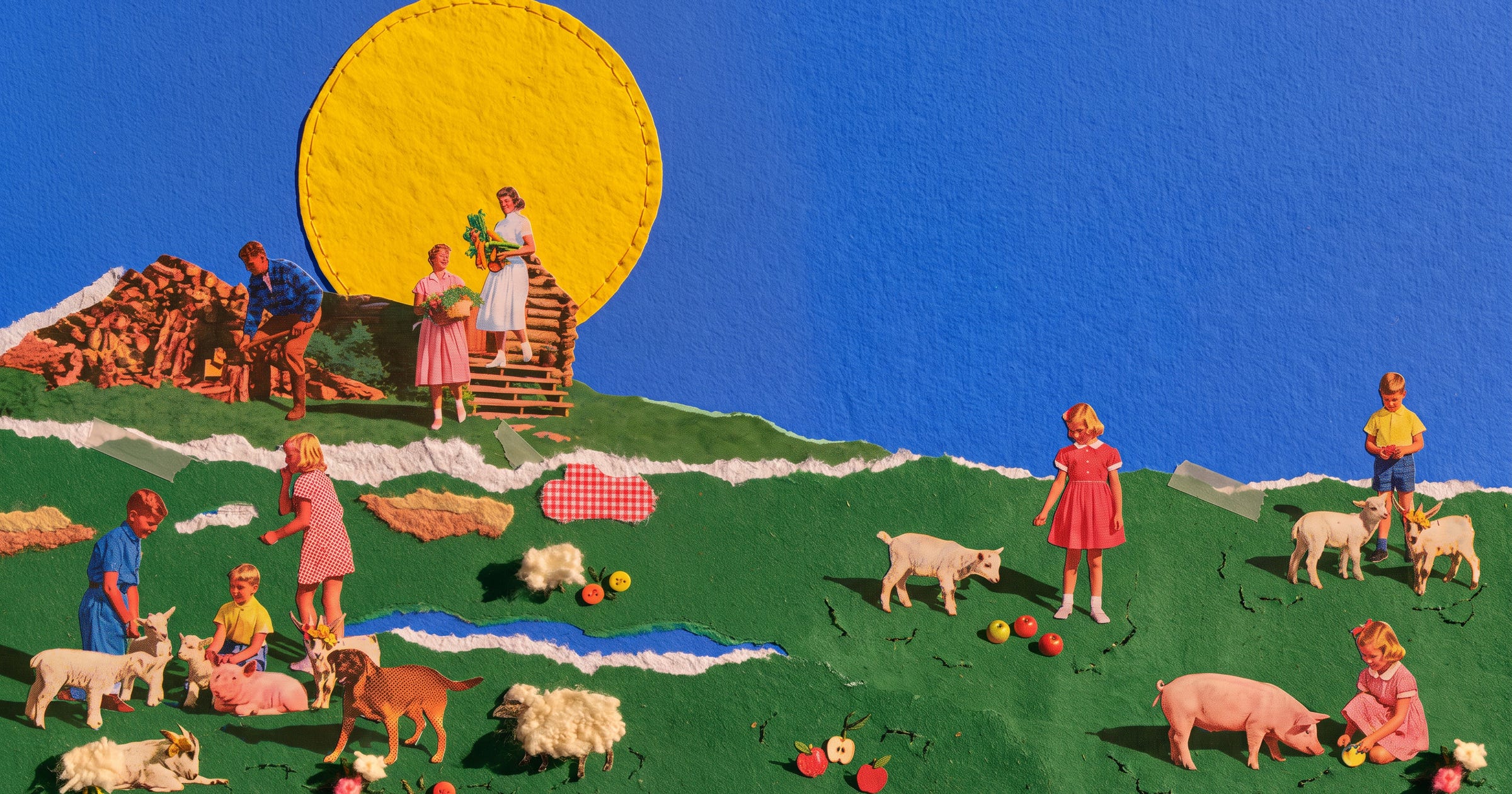
Cultivation of a family culture is a long-term process. It’s cyclical, generational, and hopefully generative. Each season can bring new forms of common action, enlisting children and grandparents, aunts, uncles, and cousins in the activities of family life. We’ve made, and are making, our fair share of mistakes. Some things are beyond our control—droughts, disease, cleft palates. Some are a matter of a learning curve. (It’s been two years since my last chainsaw-related ER visit!) Some just take time before we’ll even know if we did it right or wrong—which can be unnerving, putting in continued care without knowing the outcome.
It’s a bit like raising kids. Who knows if any of this will pay off for them—like our crops and livestock, children are recalcitrant to some forms of control, but unlike them they’re endowed with free will. Like all of creation, our children and their choices and characters are all themselves gifts from God, and so we do what we can, hope and pray, and ultimately let go. And, as my wife reminds me, “mistakes make good compost.”
Ryan T. Anderson, Ph.D., is the President of the Ethics and Public Policy Center. In May 2025, Anderson was appointed by President Trump to the Religious Liberty Commission.

 | A guest post by
|
Discussion about this post