


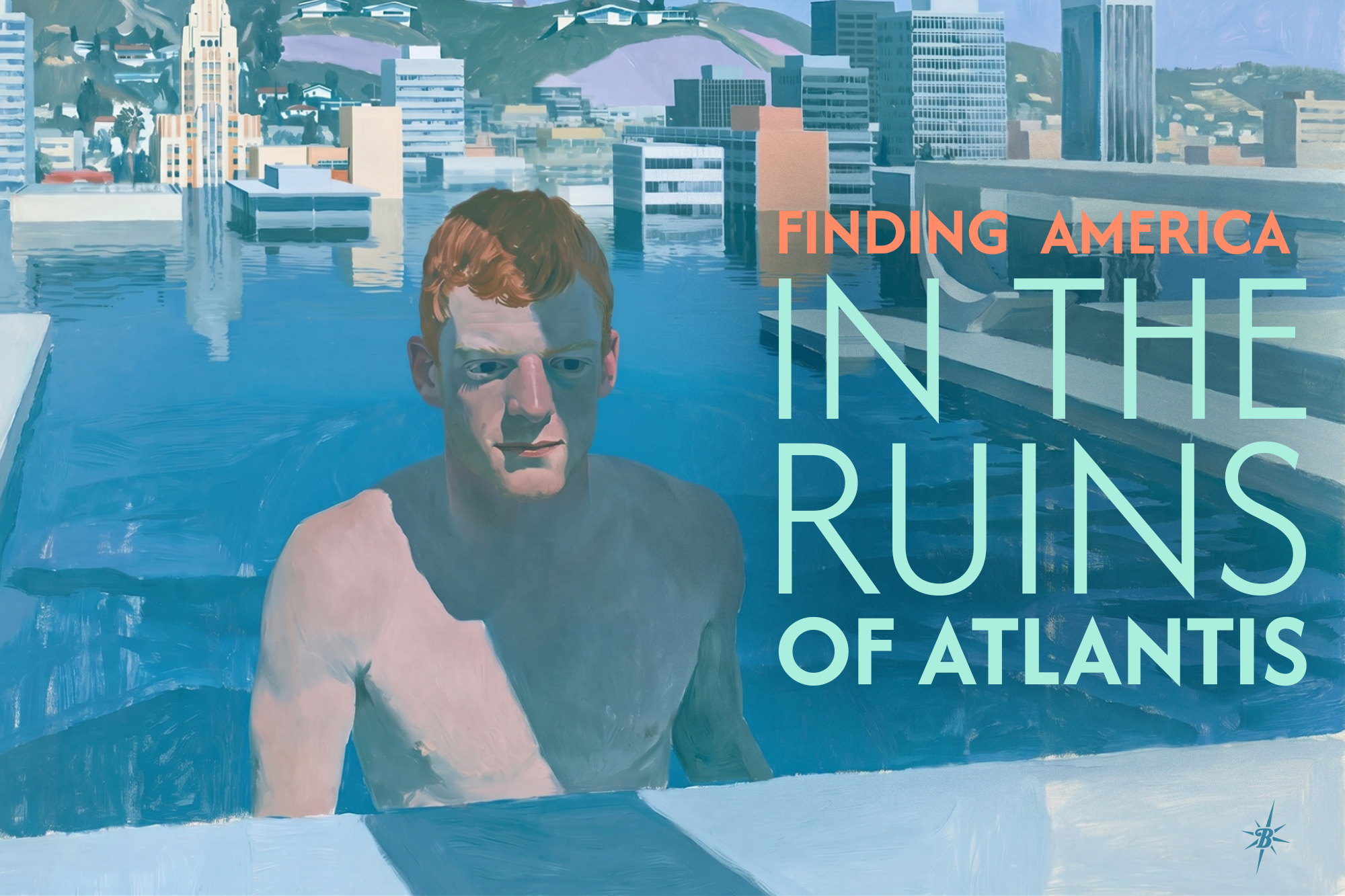
We recently came across an amusing meme on Twitter that referred to today’s Americans as “fish swimming through the ruins of Atlantis.” While pondering how to work this premise into an editorial piece, a friend of the Journal stumbled into the office spouting kaleidoscopic observations about his day-to-day life in Los Angeles. He’s familiar with the fish meme, and has brought back a lucid report from Atlantis, which looks a lot like Downtown LA.
The foundation of my apartment building quakes. Flakes of plaster rain into my cereal bowl. The pounding upstairs is terrible. I put on my shoes and take the elevator to the third floor to investigate.
The building is modest, built in the 1980s. The exterior is coral pink, which is nice. Otherwise, it’s nondescript. Gum-spackled greige carpet coats the stairs which get shampooed once every financial quarter. The walls are gouged from the constant movement of the high-turnover tenants’ cheap, frequently moved furniture. It’s cheap because it’s old, bought second hand. It gouges the wall because it’s old, too. Things were built different not so long ago. This is one of the sturdier buildings in my area, which is under aggressive hedge-fund development.
The encroachment of modernity is why I choose to live in the ruins. Things are alive here. I can’t imagine a worse fate than living in a modern high-rise, which to me evokes post-apocalyptic imagery much more sharply than the dust, noise, and slanted floors of my current abode.
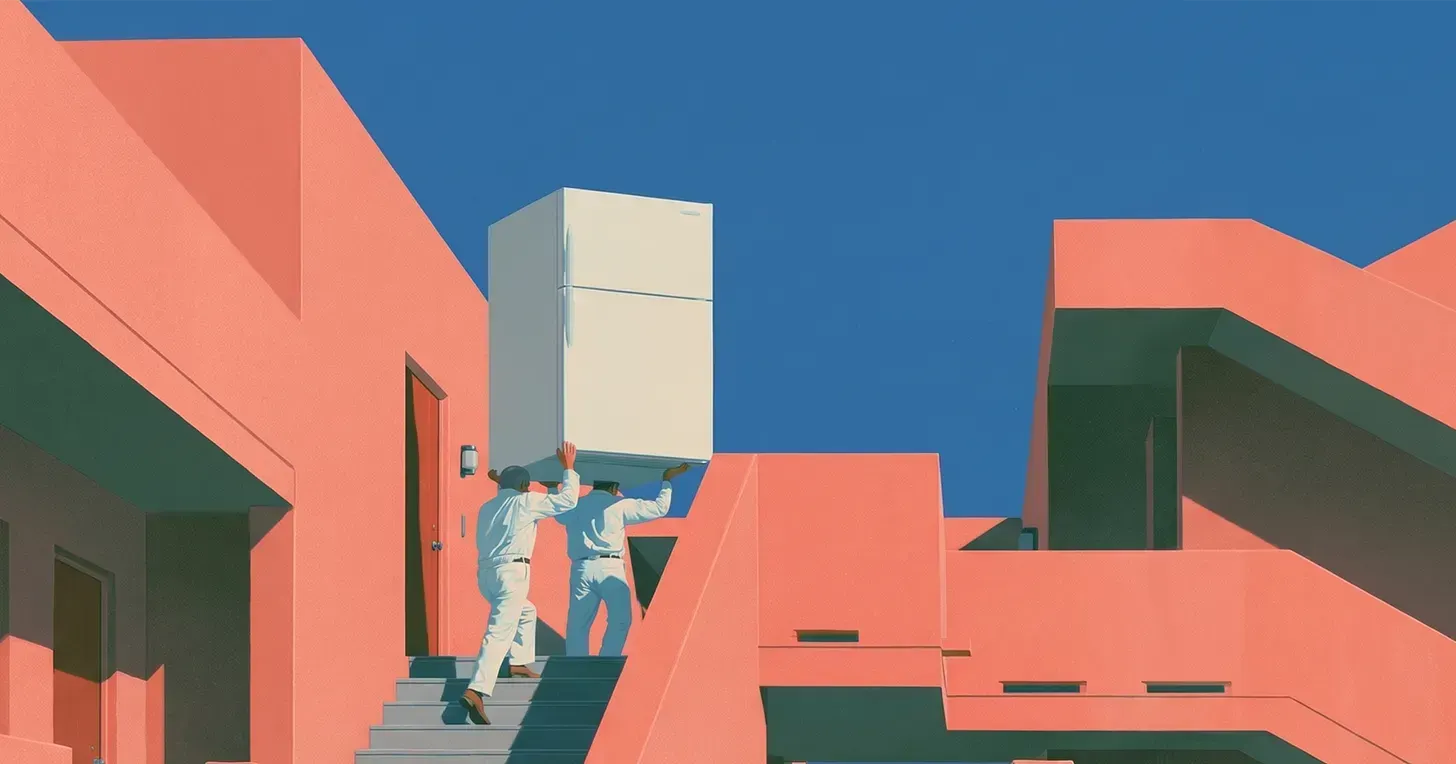
The elevator opens. Maintenance is removing an ancient refrigerator from my neighbor’s apartment. There are four people involved. No one speaks English. Two maintenance guys shout at each other in Chinese. The elderly tenant mutters to herself in Farsi. The fourth person, his function unclear to me, blasts Bad Bunny from an impressively loud Android handset. Then a fifth person slides out from under the sink, wrench in hand, and demands something from the fourth guy in Chicano. The tenant catches me staring so I bashfully slink away. Sorry lady, just wanted to make sure the world wasn’t ending.
Satisfied that the building won’t imminently collapse, I decide to go for a walk. I am free to do this because I, along with most of my friends, work remotely. I’m wearing swim trunks and no shirt. Eventually, my boss will ping me and I’ll have to type something work-related. It beats moving refrigerators, which, outside of writing-for-hire, is my sole alternative profession. Thirty years ago, that’s what I’d be doing, and wearing a coarse button-down while I was at it.
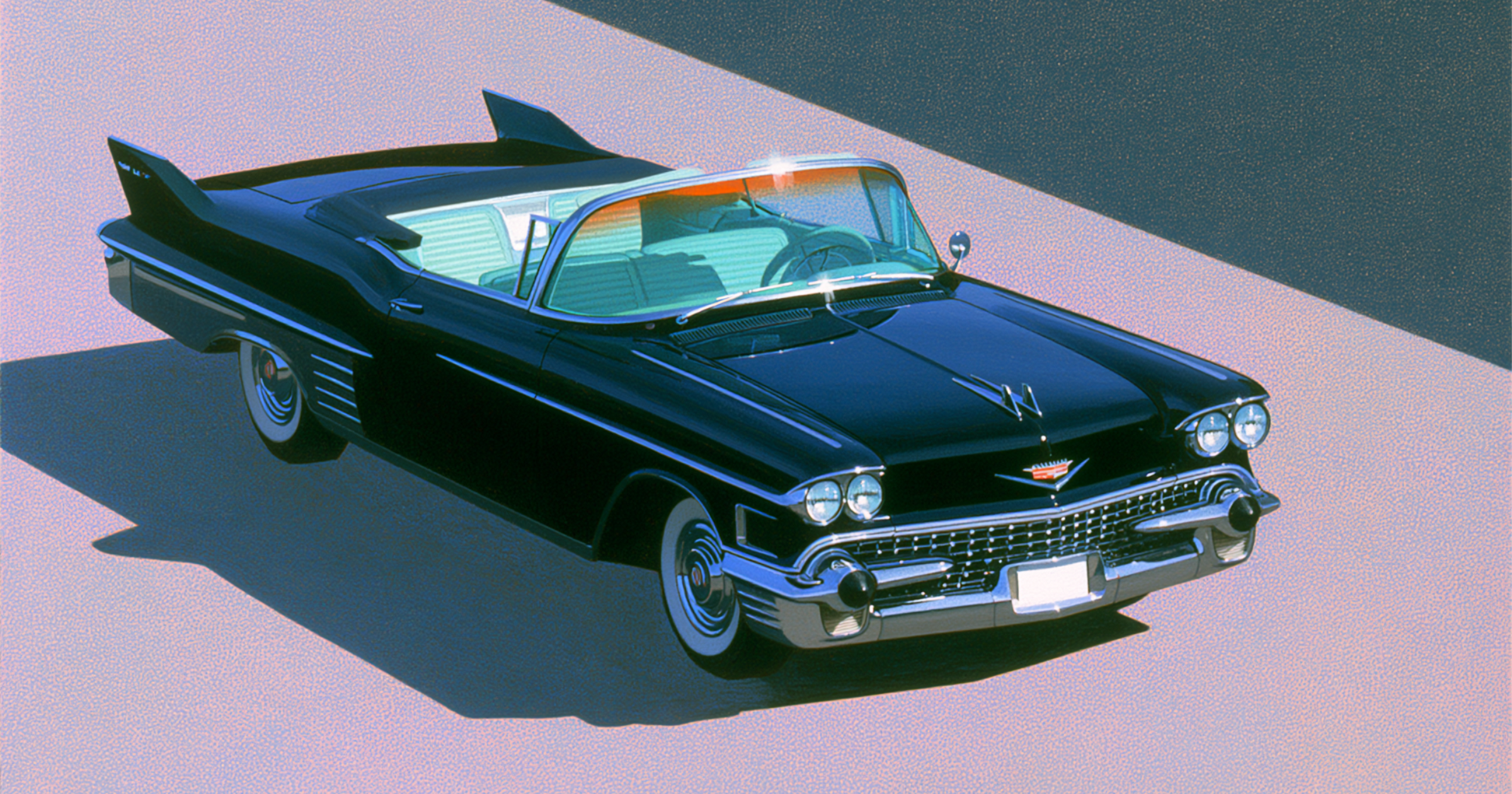
I bash my shin on the bumper of a 1958 Cadillac idling against my front steps. It’s spotless, chrome glimmering, black and baroque and awe-inspiring, like a giant manta ray surveying the depths. A monument to the American Dream and all that’s still left of it. What’s even more beautiful is that now the convertible top is going down. The Chicano shoulders up behind me, along with his helper. They’re carrying my neighbor’s refrigerator—Maytag—a name and chassis as storied Cadillac. The fridge sags into the guts of the red vinyl bench seat with room to spare for its two pallbearers. The driver throws her into gear and The Most Beautiful Car in The World sputters down the hill, vanishing against the downtown skyline, where the refrigerator is presumably promised a new life.
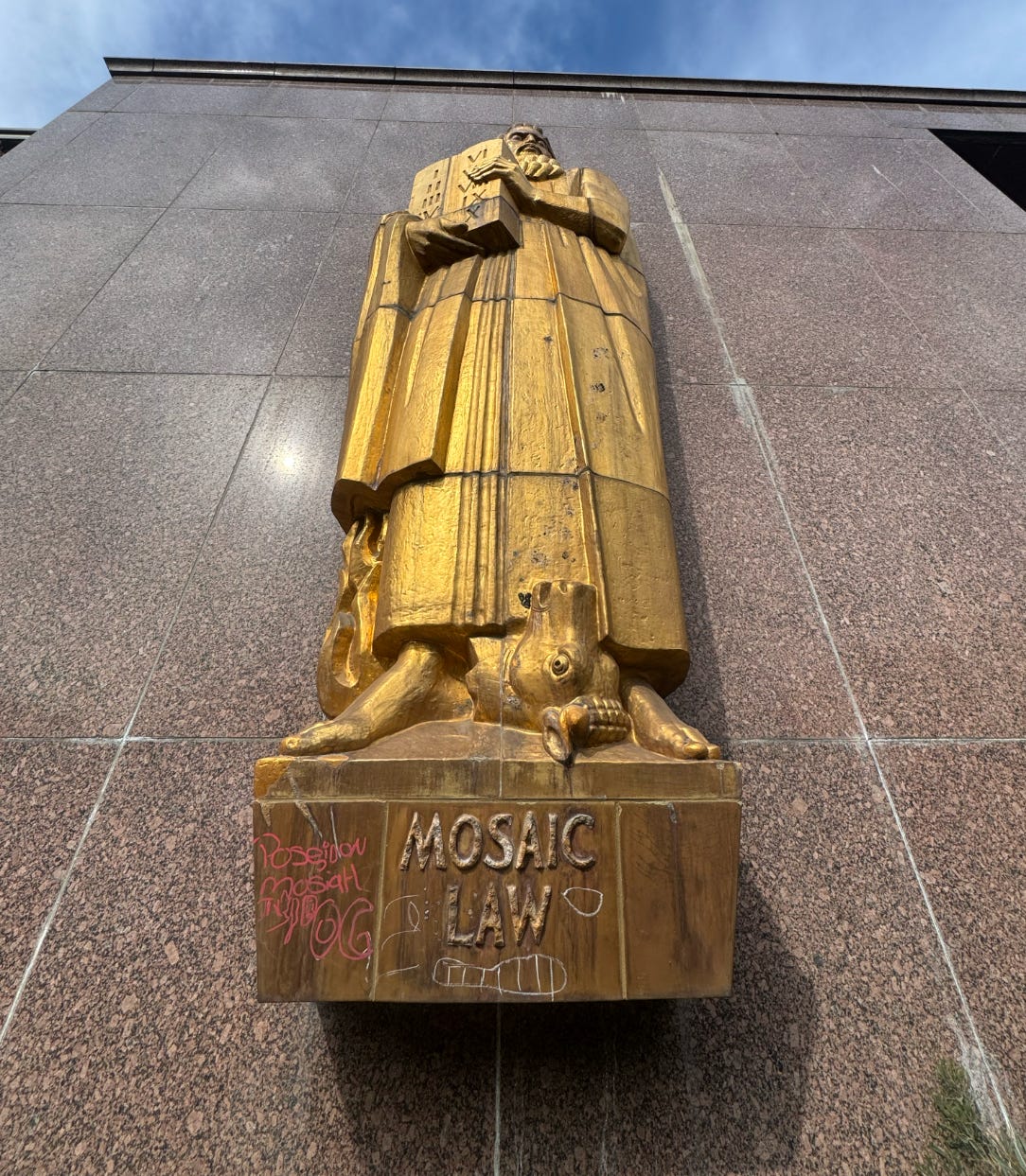
Wandering through a park Downtown, I come across a graffitied-over Art Deco relief of Moses holding the Ten Commandments. Beneath him a cartouche that reads “MOSAIC LAW.” I take a picture with my phone and share it on Instagram. The irony of a beautifully intricate digital world allowing us to mull over the decline of the physical world is not lost on me.
This contrast becomes especially stark as I pass under new housing developments, all painted hedge-fund gray, all of which would definitely collapse under the weight of this morning’s fridge swap, whose interiors would tear like cheesecloth if a battered thrift-store armoire were to graze the wall. A new Cadillac passes by, indistinguishable from a new Toyota, but smaller and somehow uglier, making a sad electric whine. It’s a slightly different shade of battleship gray than the buildings. An iPhone on wheels.
Disheartened, I turn back, toward the coral-hued sea of 80s low-rises that seem so much more desirable than their newer counterparts. America’s a young country, but in Los Angeles, where so much happens so quickly, a decade or two constitutes an ocean of time, giving nondescript 80s construction a distinct old-world charm.
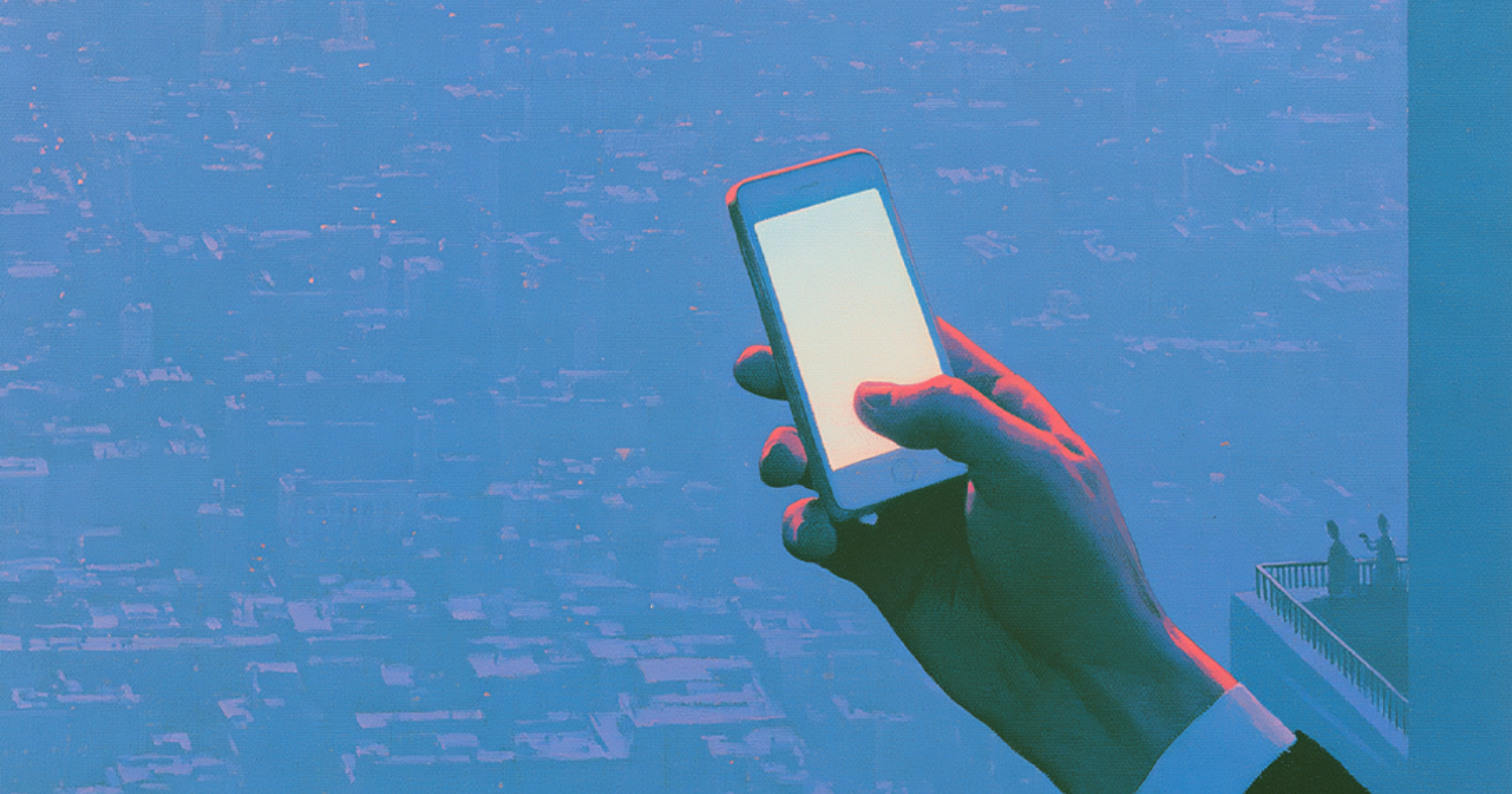
As I scroll my phone (my boss is pinging me, so I’ll have to make this quick), I look at the notifications building up on my Instagram photo: it’s gone global, this little forgotten, regional thing spawning polyglot commentary second only to that in the apartment above mine. I scroll the app some more: pictures of the gray glass-and-steel towers, big families moving in from far-flung locations; American kids with three roommates and Minnesota license plates looking to make it big in Hollywood; a Korean DJ beaming with pride in front of his 2026 electric Cadillac. Their stories are still being written, and I’m watching them unfold in real-time. Could the whole point of our weird historical moment be just this? To appreciate the past, memorialize the present, and speculate about what’s to come? We may have given up some material elegance to build in the digital world, but are matters of taste—battleship gray vs. coral fuschia, EV vs. hot-rod, Panasonic vs. Maytag—really such a big sacrifice? Are we fish swimming through the ruins of Atlantis? Or are we intrepid divers, mining the sunken past to build a better future?
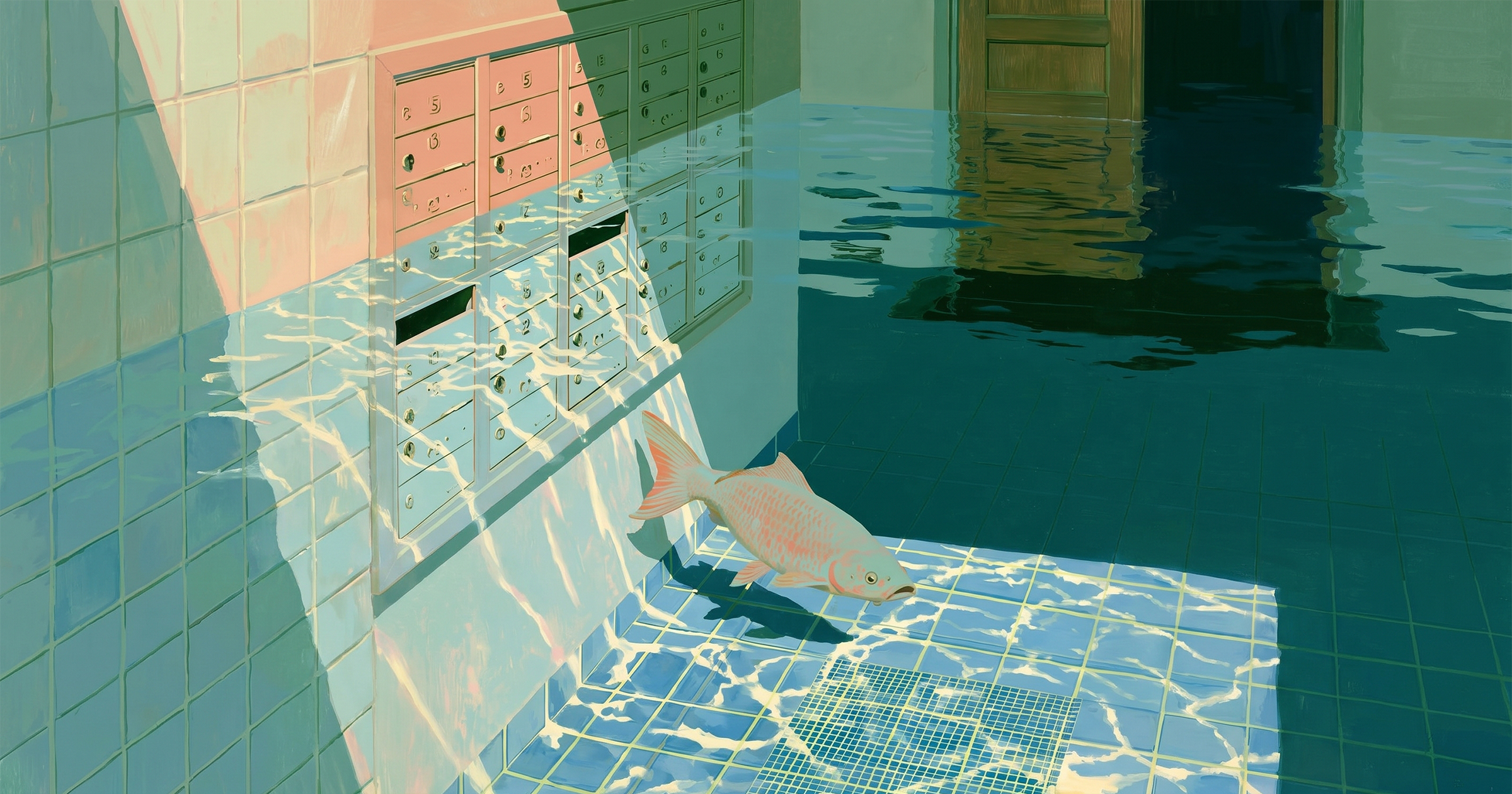
Two workmen shoulder my neighbor’s sleek new fridge past me. It’s a thing of beauty, arrived via an impossibly intricate logistical network to keep my neighbor’s orange juice cold. I got to witness its arrival—and take a picture shared across the world—and publish my scattered thoughts about fish and Atlantis and America and Bad Bunny and Moses and refrigerators—all before getting back to work from the comfort of my apartment, which, as far as I know, won’t be underwater any time soon.
