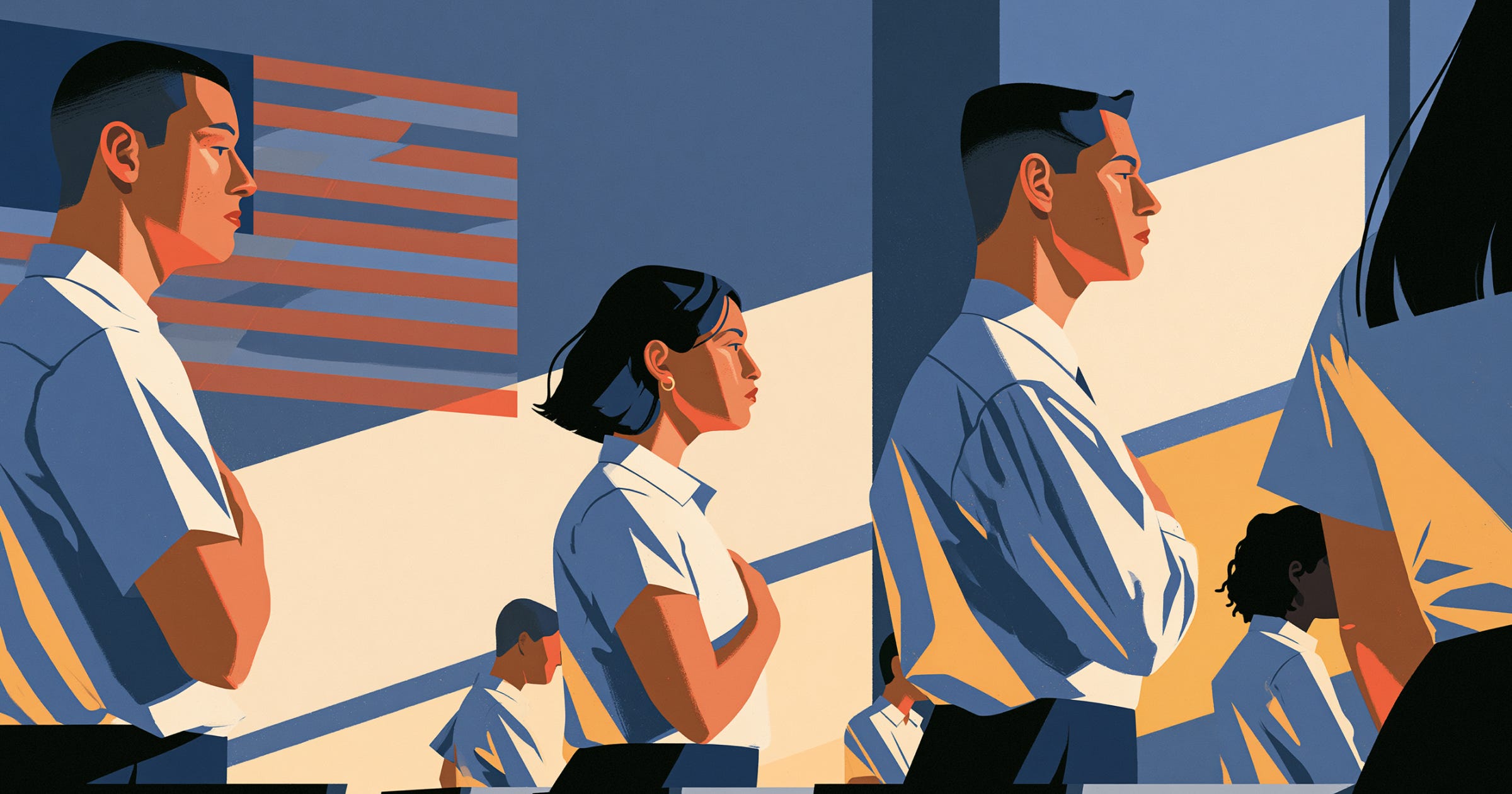
A few years ago, we watched High School Musical for the first time. I won’t pretend it’s a masterpiece, but High School Musical does one thing exceptionally well. It makes you love what’s happening on screen.
Before the credits rolled, basketball was all my kids could talk about. They had to play. They had to learn. That movie never explained why basketball is worth loving. It just made them love it. To this day, they play.
That is the real power of a great story. It doesn’t inform. It transforms. It changes what you believe is possible, and then it moves you to act.
So here’s the question I keep coming back to: where is the story that does that for the next generation’s love of America?
Not a lecture. Not a curriculum. A story that cracks a kid’s heart open and leaves them thinking: the principles this country was built on are worth something. I could live by them. I could be part of carrying them forward.
That’s why we made Young Washington, a feature film now playing in theaters nationwide.
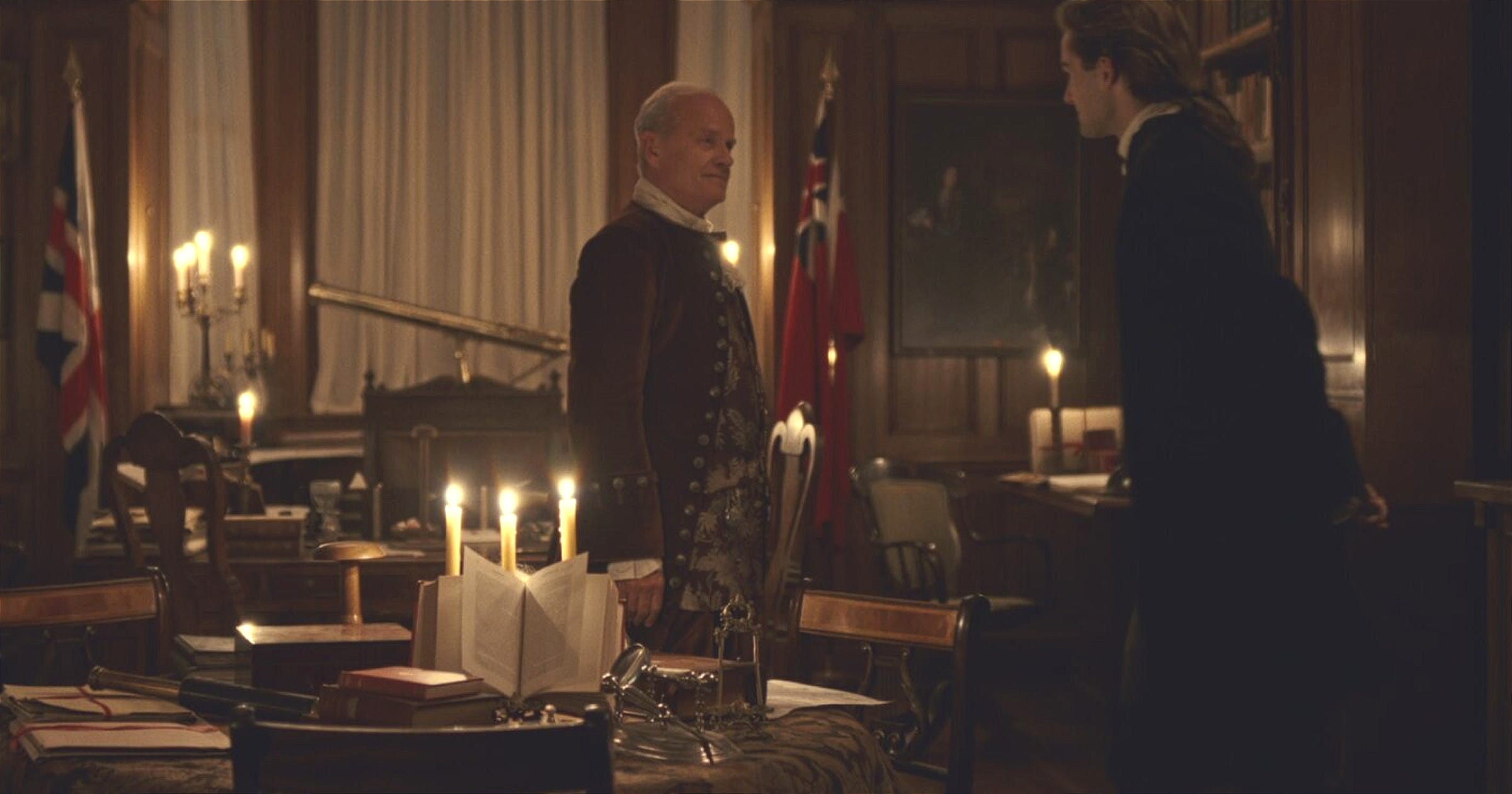
George Washington in this film is not the man on the dollar bill. He’s a young soldier — ambitious, sometimes self-serving, capable of serious error. He grows up having lost his father, wanting nothing more than to earn his place among the British military elite. His model of greatness comes from classical heroes celebrated for conquest, personal glory, and the accumulation of rank. In that world, status was the measure of a man.
But life keeps telling him no. His early military career is defined by setbacks — decisions made under pressure, commands lost, failures he can’t rationalize away. And it is in that reckoning, not in his victories, that something begins to shift. He stops chasing recognition and starts to understand that real greatness is defined by what you give, not what you gain.
That shift — quiet, hard-won, deeply human — is where the leader we know begins to emerge. And it’s where the country we know began to become possible.
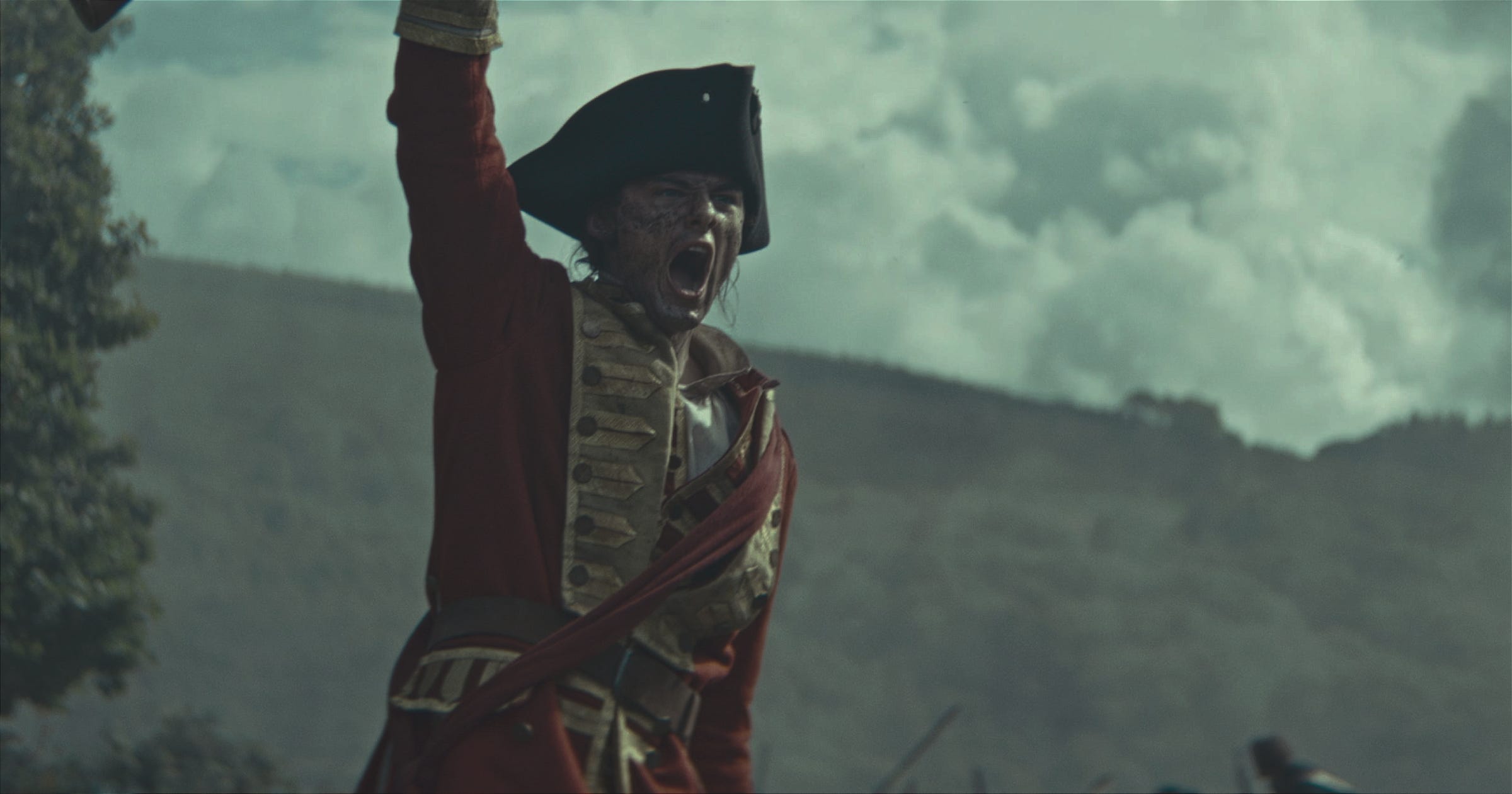
Because the founding principles of America didn’t come from perfect men. They came from real ones who chose, again and again, to lead for something greater than themselves. Integrity tested under pressure. Resilience built on failure honestly faced. Service as the highest form of leadership. These aren’t abstractions in a textbook. They are choices, made by people, that produced one of the most free and prosperous nations in history.
There’s a line in the film that has stayed with me: even a pawn can take a king. That idea — that your birth doesn’t determine your worth, that character and courage matter more than position — is as radical and as necessary now as it was in 1776. It is, in many ways, the American idea itself.
The best stories follow you home.
I took my eight-year-old to see Sarah’s Oil this past fall — our film about Sarah Rector, a young African American girl who became one of the nation’s first female millionaires at age eleven after fighting to keep land she’d inherited. On the drive home, my daughter had questions I wasn’t expecting. Why did people try to take Sarah’s land? Why did she have to fight so hard just to keep what was hers? How do oil rigs work? We talked about civil rights, about courage, about science and entrepreneurship, and the long, ongoing work of putting our founding principles into fuller practice.
I didn’t plan that conversation. The film opened the door, and we walked through it together. She was the one leaning forward, asking the questions, wanting to understand.
That’s what great stories do. They don’t hand you conclusions. They put you in the room with someone whose life looks nothing like yours, and they make you care about what happens to them. When you walk out, you see your own world a little differently. Things that were invisible before are not anymore.
On this 250th anniversary of our nation’s founding, what I’m most hopeful for is more entertainment like this. A human being on screen, making hard choices, getting things wrong, and finding his way toward something worth standing for. That’s what stays with people. That’s what shapes how the next generation sees themselves — and how they see the country they’ve inherited.
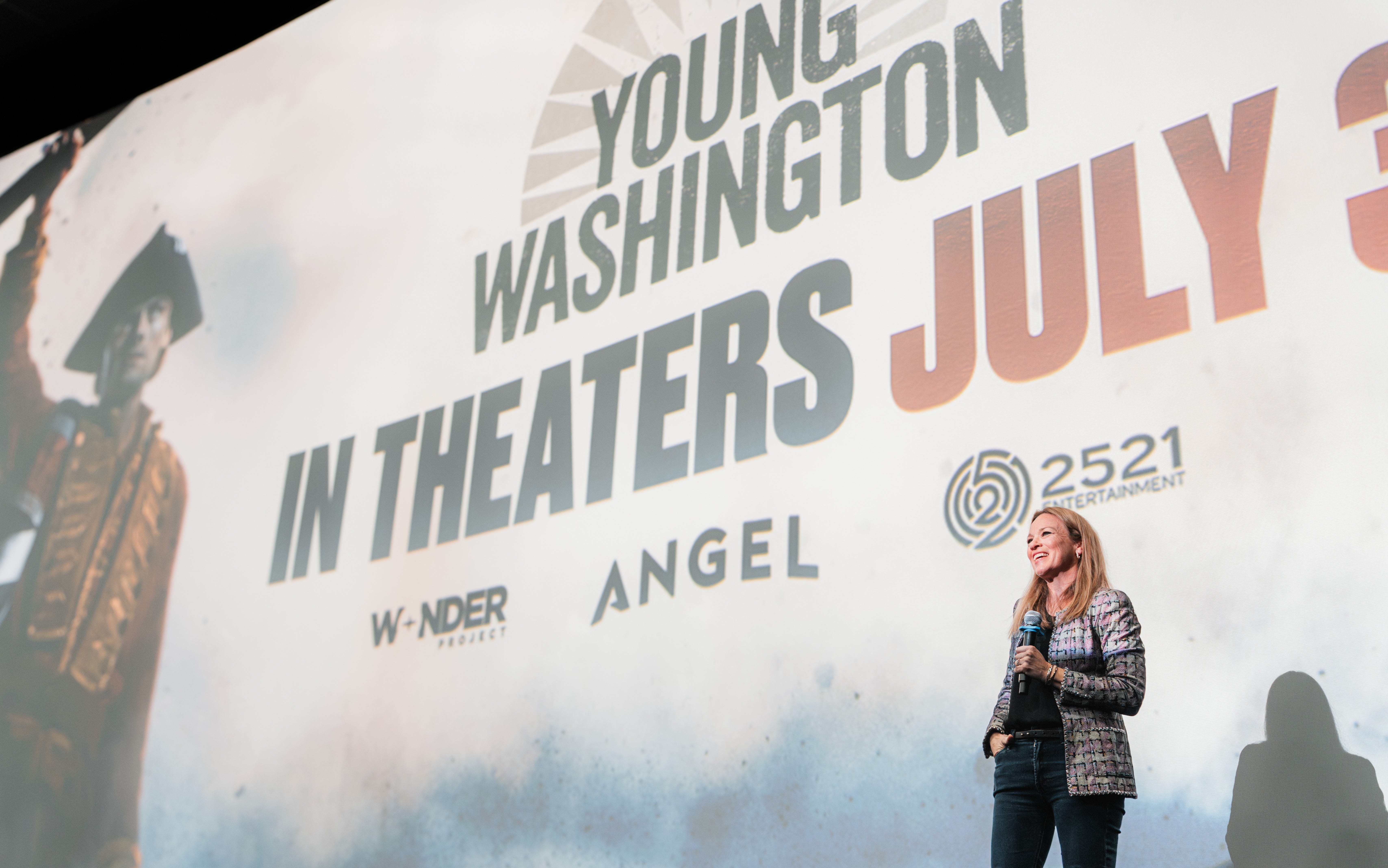
Last month we held a screening in Grand Rapids, inviting leaders from business, faith, and philanthropy and asking each of them to help put students in seats who might not otherwise get there. It’s a small picture of something bigger we’re trying to build: a generation that doesn’t just learn American history but feels it.
Through our Pay It Forward initiative, anyone can sponsor a student ticket. More than five million middle and high school students study U.S. history every year. Help make sure they don’t just read about it — help them experience it on the big screen by visiting https://www.angel.com/pay-it-forward/young-washington.
This summer, see Young Washington in theaters, and give the next generation a story they’ll carry with them. Not because we told them who George Washington was. But because they saw themselves in who he was becoming.
Kelly Merryman Hoogstraten is CEO of the Wonder Project.